
 Switch
 Homepage
 facebook
 IG
IG
 Other Hospital
 CMUH App
Care of un-healing wound
- Pain Relief Before Dressing Change: Patients need to be advised to take pain relief prior to the appointment to ensure adequate analgesic effect.
- Caregiver Training: Since effective wound management plays a critical role in preventing complications, family caregiver training implemented before discharge significantly improved caregivers’ knowledge and practices related to burn care.
- Signs of Infection: The patient and/or caregiver should discuss the signs of infection with their clinician and advise to contact their GP/Burns Unit if they have any concerns. Signs of infection may include cellulitis of the burn wound, which would require intravenous antibiotics.
Clean of healed skin
Use the neutral soap to clean the skin for at least once per day. After cleaning the wound and dry the skin using absorptive towel, because the newborn skin oil secretion is not easy to dry, need to often apply moisturizer (such as baby oils, sheep oil, Vaseline, horse oil, etc.) over the skin. Notice the cleanness of skin around the wound, skin fold and hairy area.
Protection of the skin
- Choose appropriate clothing that are absorptive and soft.
- Use umbrella, hat or long-sleeve clothing to protect the skin when going out. And it can prevent hyper-pigmentation formation by sunlight exposure.
- Do not break apart blisters. And if it happened with erythema, swelling, heat, and tenderness over wound, come back to the hospital for further management.
- Trimming your nail for prevention of scratching injury to your skin
- You can use cold water washing or cold compression or pat to improve the itch if there is any pruritus.
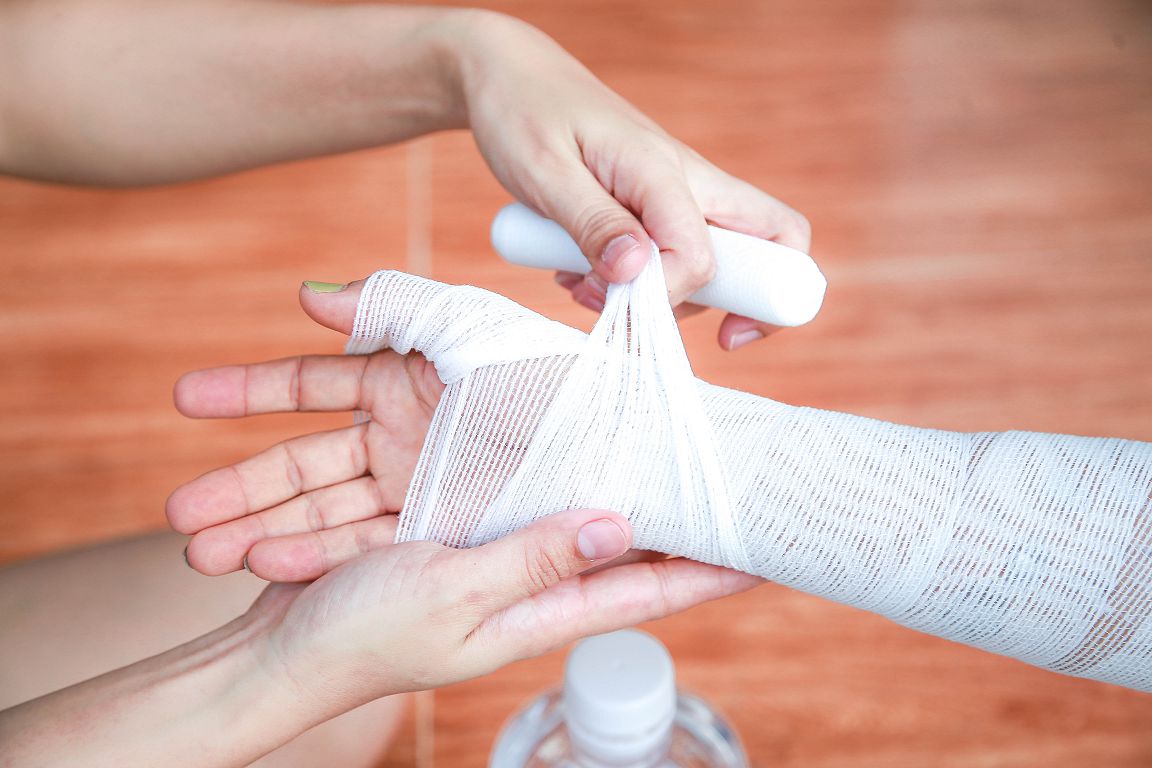
The functions of massage
To prevent scar formation, you should start massage two to three weeks after successful skin graft. Skin cleaning should be performed before massage, and after the use of skin emollient the massage is done rotationally around the point with your palm or thumb compressing the skin. The more often the massage and the longer the time, the better, until the doctor confirms the scar tissue growth is stable.
The use of the pressure garment
You should follow the doctor’s order to wear the pressure garment appropriately with proper pressure to prevent the scar formation. During the period of use you should wear it all day long, including taking meals and sleeping but except for bathing and the period is at least eighteen~twenty-four months, until the doctor’s confirming to stop. The pressure garment should be washed with hands and be dried in the shade to prevent elastic fatigue. You should check whether the pressure is appropriate regularly and try to adjust it to maintain the best effect. If there is any swelling or cyanosis happened, just take it off temporarily. Back to the hospital and consult your doctor.
Rehabilitation exercise
In order to prevent injury site and joint sclerosis and Limb contracture, when the hospital begins to do rehabilitation and placement, the foot should maintain a 90 degree functional position, the double lower extremity joint mining function pendulum to avoid internal shrinkage, can not help the passive movement at least two times a day, after discharge according to the guidance of medical staff to carry out various sports, must continue to practice, Families should, to the extent possible, assist patients in carrying out their daily activities in order to develop their daily self-care abilities.
Emotion relief
- After long-term treatment during admission, the patient could have emotional problem. Relatives should encourage the patient to share his feeling and provide appropriate emotional relief. Let the patient know his merit and ability and thereby regain self-confidence and self-affirmation.
- Burn survivors commonly face psychological distress, including Post-Traumatic Stress Disorder (PTSD), which affects approximately 30% of survivors, along with depression and anxiety. These symptoms may persist for years.
- Through peer support programs, survivors can be effectively assisted in community reintegration, obtaining hope, encouragement, and a sense of shared understanding from interactions. Regular attendance at peer support groups has been linked to better long-term social-interaction scores.
Regular hospital follow-up
Follow the indication of the medical physician, regular outpatient follow up on time and receive the examination and education that medical care agent arrange and then receive further reconstruction program and fulfill the treatment plan.
 Facebook
 IG
IG
 YouTube